
←
All Articles
Online Security

Protect Yourself from Fake Facebook and Instagram Restriction Messages
If you use Facebook or Instagram to advertise or promote your business, beware of fake restriction and suspension messages designed to scam you or compromise your account. These scams are becoming more common, and knowing how to identify and handle them is essential to keeping your accounts secure. Here’s how to protect yourself:

Clemence Kotoku
2 min read

Introduction
If you use Facebook or Instagram to advertise or promote your business, beware of fake restriction and suspension messages designed to scam you or compromise your account. These scams are becoming more common, and knowing how to identify and handle them is essential to keeping your accounts secure. Here’s how to protect yourself:
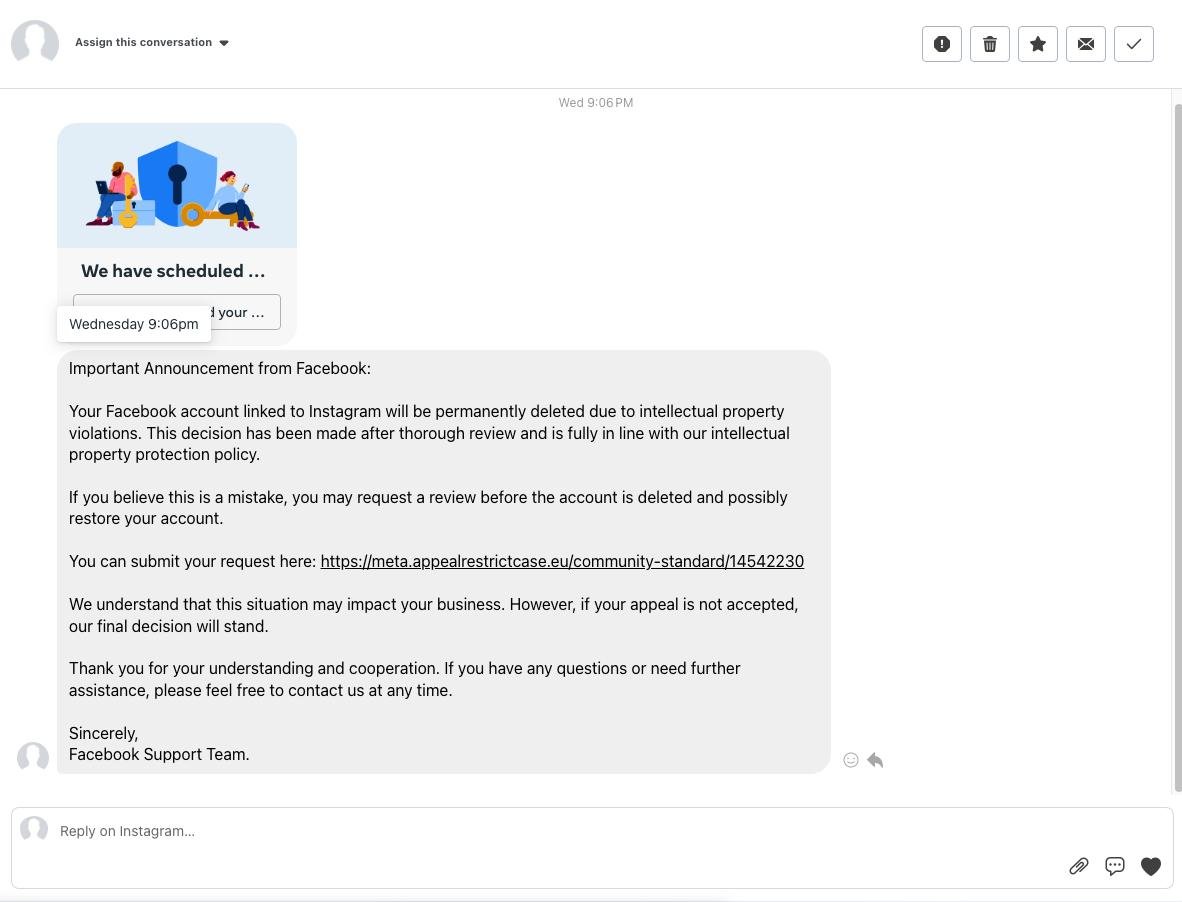
1. Meta Will Never Message You Directly
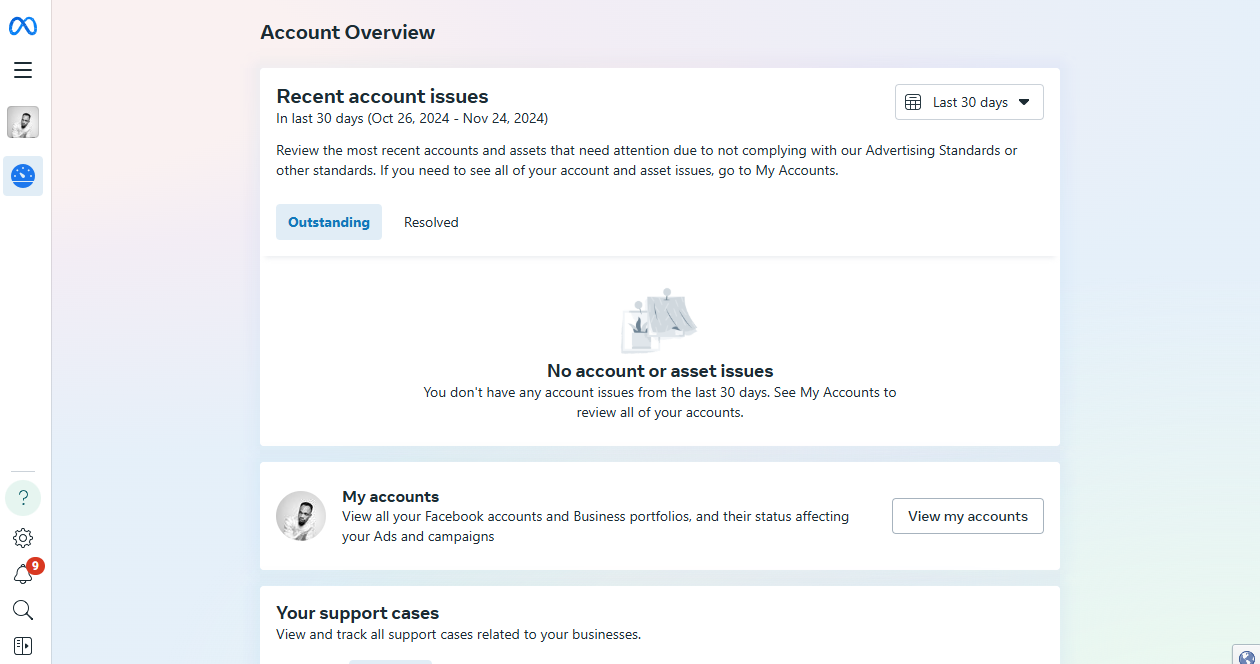
Meta (the parent company of Facebook and Instagram) will never send you a direct message (DM) through Messenger about restrictions, suspensions, or any other issues with your account. If you receive such a message, it’s a scam. Meta communicates account-related issues through:
- Account Center
- Your email inbox
Always double-check your notifications and email rather than engaging with unsolicited messages.
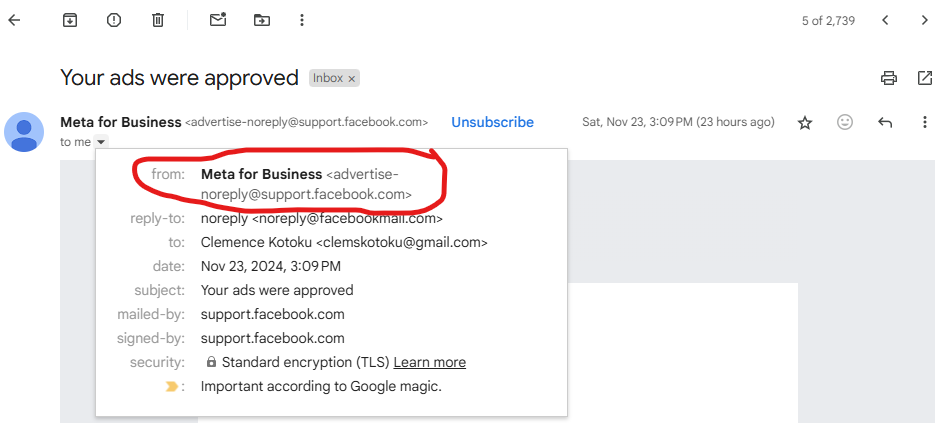
2. Verify the Sender’s Email Address
When you receive an email claiming your account is restricted or suspended, confirm that it comes from an official Meta domain. Scammers often create fake emails that look legitimate. Here are the official Meta domains you should trust:
- facebookmail.com (including priority.facebookmail.com)
- facebook.com (including support.facebook.com and developers.facebook.com)
- fb.com
- metamail.com (including global.metamail.com)
- meta.com
Make sure to carefully inspect the sender’s email address, as scammers may use similar-looking domains to trick you.
3. Avoid Clicking Links in Emails
Even if the email looks legitimate, do not click any links in it if possible. Instead, log in to your Facebook or Instagram account directly and check for any notifications regarding restrictions or suspensions. If you’re unsure about what to do, consult a professional who can help verify the issue and take the necessary steps to secure your account.
Stay Informed and Safe
To reduce your chances of encountering Facebook or Instagram advertising restrictions in the first place, stay tuned for my upcoming post. I’ll be sharing practical tips to help you avoid common issues and keep your account running smoothly.
If you found this helpful, be sure to follow for more updates on securing your accounts and optimizing your advertising strategy. Stay safe out there!
Written by
Clemence Kotoku
Web designer, developer and digital marketer. I build websites, digital products and systems that help businesses grow, and I write about what I learn along the way.
Working on something?
Let’s make your website do more.
Tell me what you’re building or improving, and I’ll come back with the right way forward.
Share this article
Keep Reading
More from my desk.

Websites • Marketing
Your website is useless. Let me explain why.
A website doesn’t make sales simply because it exists. Here’s what actually needs to happen before your website can contribute to growth.
Web Design • Conversion
What makes a high-converting website?
Good design isn’t just about making a website look impressive. It’s about helping the right person understand what you offer and what they should do next.

AI • Productivity
5 AI tools I’m actually using in my workflow
There are thousands of AI tools available. These are some of the ones that have actually found a place in my day-to-day workflow.
Let’s Connect
Have something you’re trying to build?
Whether it’s a website, a campaign or a product idea, I’d love to hear about it. Start with the problem. We’ll figure out the rest together.