
←
All Articles
Websites • Marketing

Your website is useless. Let me explain why.
A website doesn’t make sales simply because it exists. Here’s what actually needs to happen before your website can contribute to growth.

Clemence Kotoku
5 min read

I’ll say it plainly, because someone should. Most business websites are useless.
Not ugly. Not broken. Most of them look fine. They load, the logo is there, the colours are on brand and there is a contact page somewhere near the bottom. They are useless because they don’t do anything. They sit on the internet the way a brochure sits in a drawer, and the business behind them wonders why nothing ever comes in.
If that sounds harsh, stay with me. I’m not saying your website is bad. I’m saying a website doesn’t make sales simply because it exists, and most businesses build one as if it will.
The website was never the goal
When a business asks me for a website, I always ask what they want it to do. The answers are usually some version of “we need to be online” or “our competitors have one”. Both are true. Neither is a goal.
A goal sounds like this: more enquiries from people who can actually afford the service. Fewer phone calls asking the same five questions. More orders from people who found you on Instagram and wanted to buy without sending a DM. A website is a tool for getting one of those things. When nobody decides which one, the website ends up trying to say everything to everyone, and it quietly does nothing for anyone.
A website is not a digital business card. It is part of how your business gets customers, or it is a cost.
Where it actually breaks
After looking at a lot of small business websites, I see the same few problems again and again. None of them are about the design.
1. Nobody is being sent there
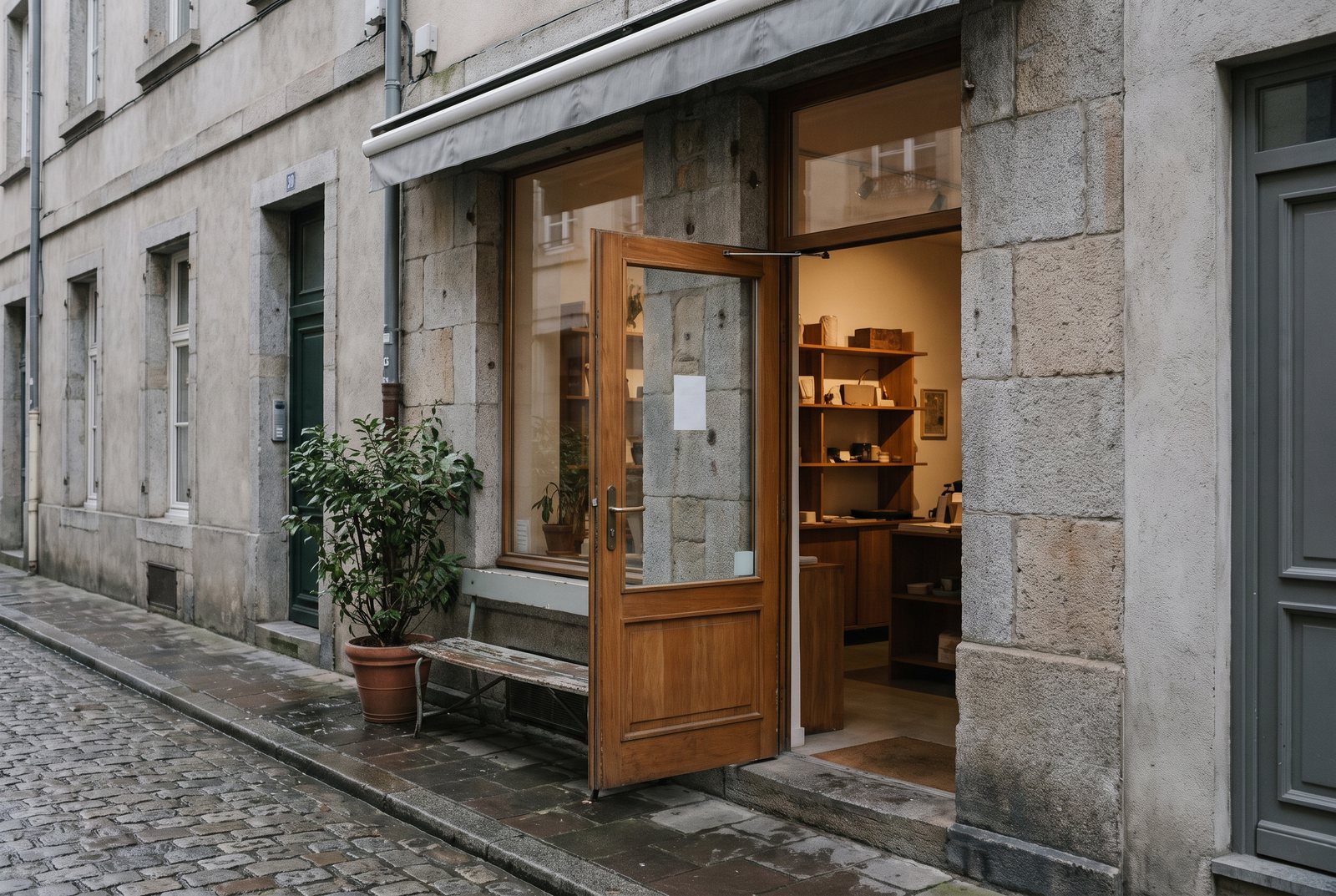
A website with no traffic is a shop on a street nobody walks down. Search, social media, ads, email, word of mouth: something has to bring the right people to it. If the only visitors are you, your team and your cousin, it doesn’t matter how good the page looks.
2. The visitor can’t tell what you do in five seconds
People don’t read websites. They scan them and decide very quickly whether they are in the right place. If the first thing they see is “Welcome to our website” or a slideshow of stock photos, they leave. The top of the page has one job: tell the right person what you do, who it is for and why it matters to them.
3. There is no next step
This one surprises people. The visitor likes what they see, and then the page just ends. No clear button, no offer, no reason to get in touch today. Every important page should make the next step obvious, whether that is booking a call, requesting a quote, buying the product or sending a WhatsApp message.
4. It doesn’t build trust
Someone who has never heard of you needs a reason to believe you. Real photos of your work, results you can stand behind, reviews from real customers, clear prices or at least a clear process. A website that hides all of that asks a stranger to take a risk, and most strangers won’t.
5. Nobody is measuring anything
Ask most business owners how many enquiries their website sent last month and they don’t know. Without analytics and conversion tracking, you can’t tell what works, what doesn’t, or where the money you spend on ads actually goes. You are guessing, and guessing is expensive.
What a useful website looks like
A useful website is built backwards from the result you want. It starts with the customer and the action, and the design comes after.
- A clear purpose. One main thing the website should make happen, and every page supporting it.
- A clear message. The right person understands what you offer within seconds of landing.
- An obvious next step. A single primary action, repeated where it makes sense, easy to take on a phone.
- Proof. Work, results and reviews that answer the question “why should I trust you?” before it is asked.
- Traffic with intent. A plan for how people will find it, through search, content or advertising.
- Measurement. Tracking that shows which pages, campaigns and channels bring in real enquiries or sales.
None of that requires a huge budget. It requires deciding what the website is for before anyone opens a design tool.
Where the design fits in
I design websites for a living, so I’m not going to tell you design doesn’t matter. It matters a lot. Good design makes a business look credible, makes the message easy to follow and makes the next step feel natural. But design is the delivery, not the strategy. A beautiful website with no purpose is still useless. It is just useless with nicer fonts.
The best projects I’ve worked on started with a conversation about the business, not the homepage. What do customers ask before they buy? Where do they come from? What makes them hesitate? What would a good month look like? Once those answers are clear, the website almost designs itself.
Start with one question
If you have a website right now, try this. Open it on your phone, look at the homepage for five seconds and ask: if I were a stranger, would I know what this business does, and would I know what to do next?
If the answer is no, the fix is usually not a full redesign. It might be a clearer headline, a stronger call to action, a few real photos, a page that answers common questions or tracking that finally shows what is going on. Small changes, made for the right reason, can turn a website from something that exists into something that works.
And if you want a second pair of eyes on it, tell me about your website. I’m always happy to look at what is working, what isn’t and what would make the biggest difference.
Written by
Clemence Kotoku
Web designer, developer and digital marketer. I build websites, digital products and systems that help businesses grow, and I write about what I learn along the way.
Working on something?
Let’s make your website do more.
Tell me what you’re building or improving, and I’ll come back with the right way forward.
Share this article
Keep Reading
More from my desk.
Web Design • Conversion
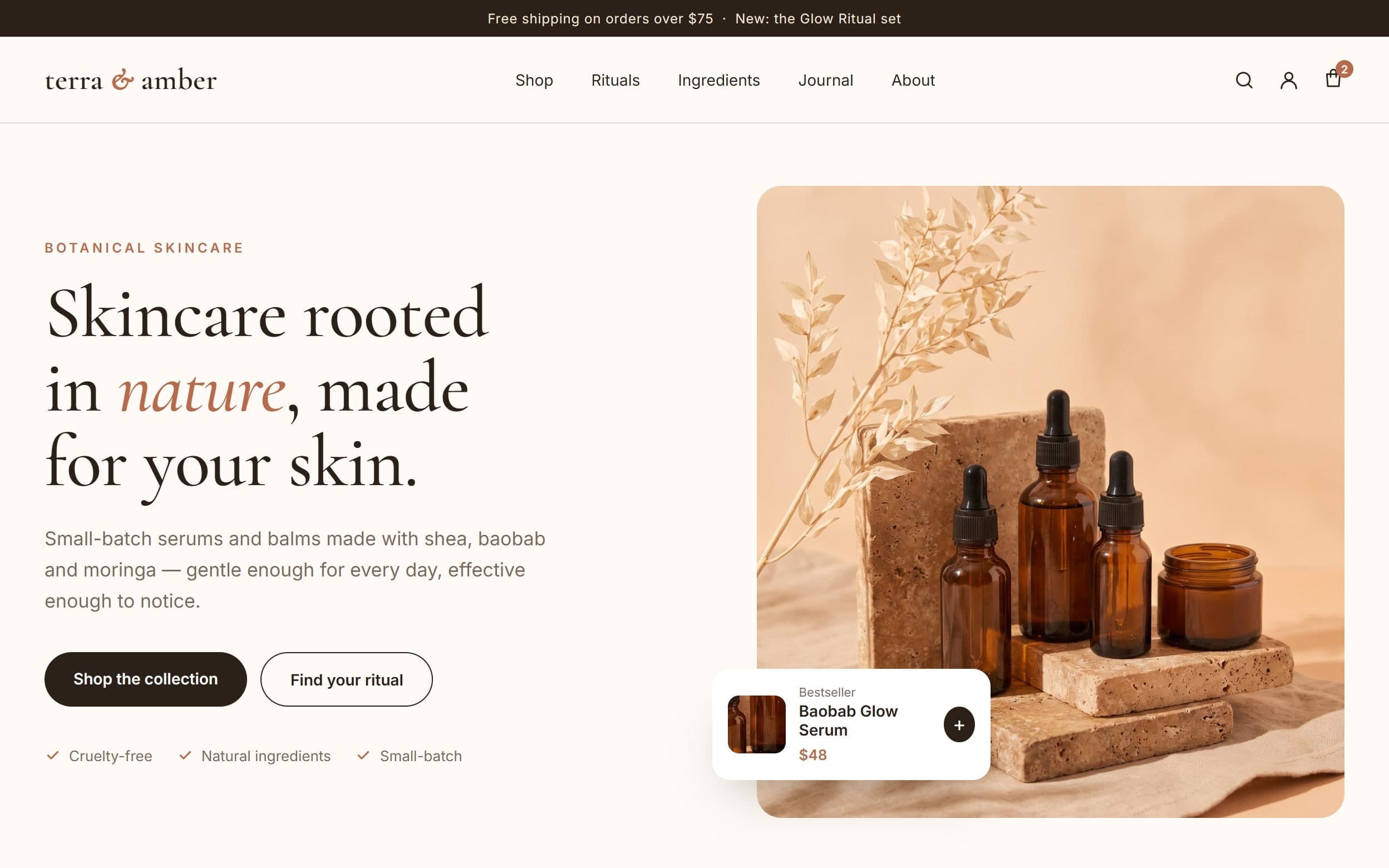
What makes a high-converting website?
Good design isn’t just about making a website look impressive. It’s about helping the right person understand what you offer and what they should do next.
AI • Productivity
5 AI tools I’m actually using in my workflow
There are thousands of AI tools available. These are some of the ones that have actually found a place in my day-to-day workflow.
Building • Product
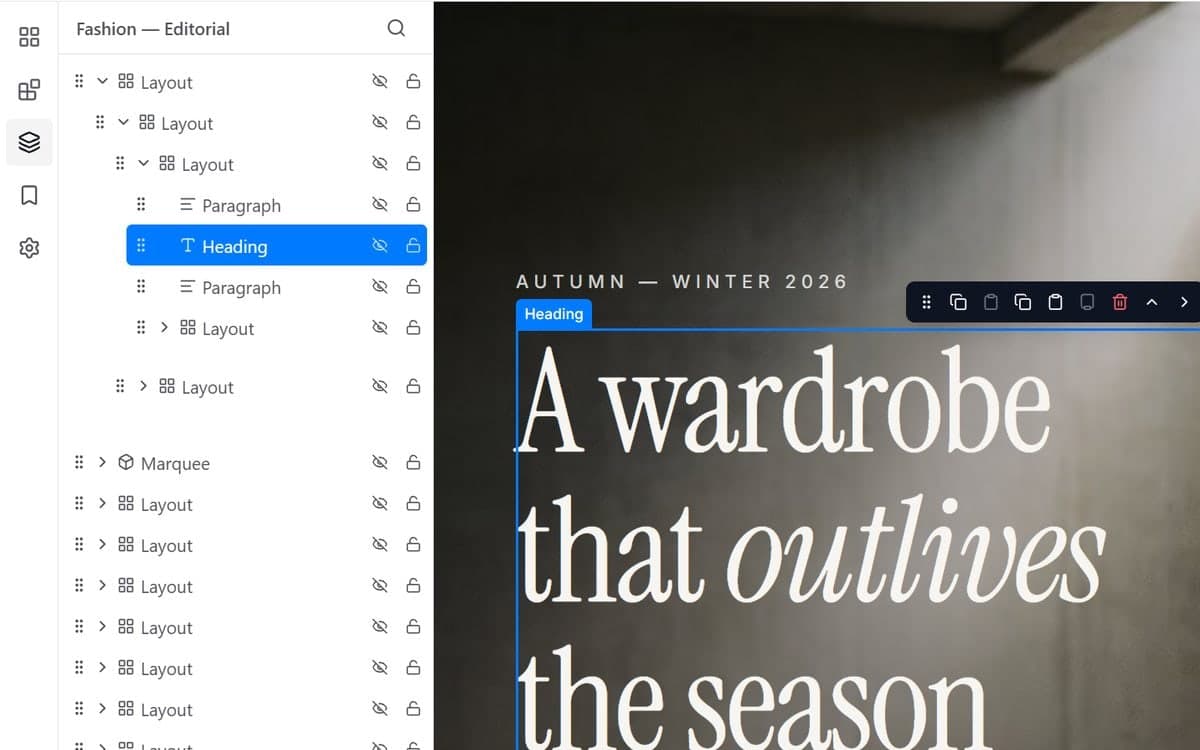
What building products has taught me about websites
Working on my own products has changed the way I think about designing and developing websites for other people.
Let’s Connect
Have something you’re trying to build?
Whether it’s a website, a campaign or a product idea, I’d love to hear about it. Start with the problem. We’ll figure out the rest together.