
←
All Articles
Product • Building

What building products has taught me about websites
Working on my own products has changed the way I think about designing and developing websites for other people.

Clemence Kotoku
4 min read
For a long time, I thought about websites the way most designers do. A client has a business, the business needs a website, I design and build it, and then I hand it over.
Building my own products changed that. When you are the one who has to live with every decision, maintain it, grow it and watch real people use it, you start seeing websites very differently. Here are the lessons that carried over.
A launch is the beginning, not the finish line
With client websites, launch day used to feel like the end. The site is live, the invoice is paid, everyone moves on.
With a product, launch is when the real work starts. You find out what people actually do, which is rarely what you planned for. You fix things. You improve the parts that matter and remove the parts nobody uses.
Now I treat websites the same way. The launch version is the best first guess. The version that really works comes from watching how people use it and improving it over time.
People don’t use things the way you imagine
When I build a feature, I have a picture in my head of how someone will use it. Then a real person tries it and does something completely different. They miss the button I thought was obvious. They look for information somewhere I never put it. They ignore the section I spent the longest on.

That humbling experience made me a better website designer. I rely less on how I think visitors will behave and more on making every page painfully clear: what this is, who it is for and what to do next. And wherever possible, I measure instead of assume.
The most important design skill I’ve learned from products is this: be willing to be wrong about what users want.
Structure matters more than decoration
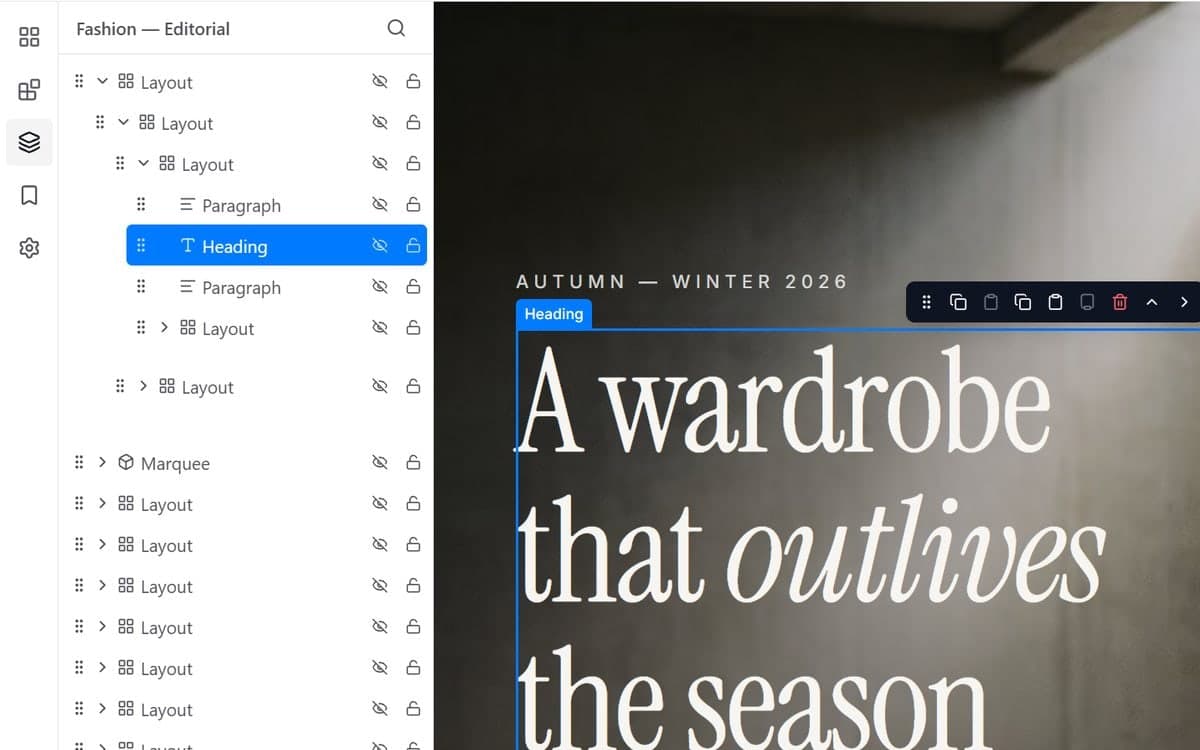
Building a platform like Incep forces you to think in systems. Reusable components. Consistent spacing and typography. Content that can grow without breaking the layout. A page structure that still makes sense when a business adds its fiftieth product or twentieth article.
Websites benefit from exactly the same thinking. A website built as a set of one-off pages becomes hard to update the moment the business changes. A website built on a clear system of sections, styles and patterns stays consistent, is easier to edit and looks just as good a year later.
Speed and simplicity are features
In a product, every extra second of loading and every unnecessary step costs you users. You feel it directly, so you learn to cut ruthlessly.
The same is true on a business website, it is just less visible. A slow page loses visitors before they read a word. A contact form with too many fields loses enquiries. A navigation with twelve items makes the important pages harder to find. I now treat speed and simplicity as design decisions, not technical afterthoughts.
You can’t improve what you don’t measure
You would never run a product without knowing how many people sign up, where they drop off or which features they use. Yet many businesses run websites with no idea how many enquiries they bring in.
Building products made tracking a non-negotiable part of how I work. Analytics, conversion events and clean data from ads are what turn a website from a guessing game into something you can actually improve.
The owner has to be able to run it
A product lives or dies by whether people can use it without help. That made me think hard about the other users of every website I build: the business owners and teams who have to update it.
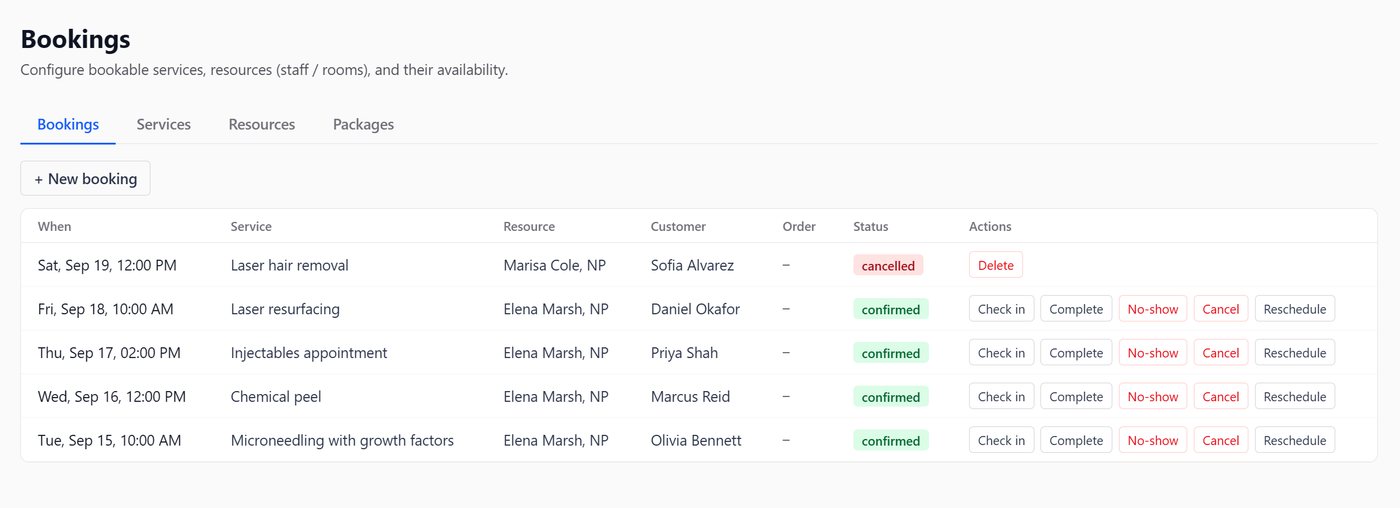
If changing a price, adding a product or publishing an article needs a developer, the website slowly goes out of date. So I care a lot about handing over something a business can genuinely run, with content that is easy to edit and a structure that is hard to break.
Better websites, because of the products
I still build websites for businesses, and I enjoy it more than ever. The difference is that I now bring a product mindset to them: build for real behaviour, keep it simple, measure what matters and keep improving after launch.
If you want a website built with that mindset, take a look at how I work, or see what I’m building on the product side.
Written by
Clemence Kotoku
Web designer, developer and digital marketer. I build websites, digital products and systems that help businesses grow, and I write about what I learn along the way.
Working on something?
Let’s make your website do more.
Tell me what you’re building or improving, and I’ll come back with the right way forward.
Share this article
Keep Reading
More from my desk.

Websites • Marketing
Your website is useless. Let me explain why.
A website doesn’t make sales simply because it exists. Here’s what actually needs to happen before your website can contribute to growth.
Web Design • Conversion
What makes a high-converting website?
Good design isn’t just about making a website look impressive. It’s about helping the right person understand what you offer and what they should do next.
AI • Productivity
5 AI tools I’m actually using in my workflow
There are thousands of AI tools available. These are some of the ones that have actually found a place in my day-to-day workflow.
Let’s Connect
Have something you’re trying to build?
Whether it’s a website, a campaign or a product idea, I’d love to hear about it. Start with the problem. We’ll figure out the rest together.